









People often focus on mileage, condition and features when estimating a car’s worth, but color plays a surprisingly important role in determining resale value. It influences how quickly a car sells, how many buyers are interested and even how well the vehicle holds its worth over time. For some owners, the topic becomes especially relevant when they consider selling, trading or even using their vehicle for short term financial help, such as applying for a car title loan in Lincoln. The color of your car can affect both market appeal and long term value in ways many drivers do not expect.
Understanding the Power of Popular Colors
Neutral colors tend to dominate the road, and for good reason. Shades like white, black, silver and gray appeal to a wide audience because they are seen as classic, clean and easy to maintain. These colors are considered safe choices for buyers who want a vehicle that blends well with most styles and holds up over the years. Because demand for neutral colors stays consistently high, cars painted in these hues usually retain value more reliably. They fit the preferences of a large group of shoppers, which often translates into a higher resale price and a shorter time on the market.
How Rare Colors Influence Supply and Demand
While neutral colors perform well, unique colors can also affect a car’s value in unexpected ways. Vehicles in bold shades like yellow, orange or certain greens are produced in much smaller numbers. This rarity means that although fewer people actively search for these colors, the ones who do may be willing to pay more to get exactly what they want. When a car in a rare color hits the used market, supply may be so limited that it holds its value surprisingly well. Buyers with niche preferences can drive demand high enough to slow depreciation compared to more common options.
The Psychology Behind Color Preferences
Color selection goes beyond aesthetics. It reflects personality, lifestyle and even perception of safety. Many people choose white or black because these shades feel timeless. Others choose brighter colors for visibility or personal expression. Understanding these psychological factors can help explain why certain colors consistently perform well. Research from the Society of Automotive Engineers on vehicle visibility and color shows that drivers often choose colors they believe enhance visibility and safety. Although personal taste plays a role, underlying psychological preferences influence market trends more than you might expect.
Environmental Factors That Affect Color Value
Climate and geography also influence color popularity. For example, white cars are more common in warm climates because they reflect heat better and stay cooler in direct sunlight. In snowy areas, darker colors may be preferred because they show less road salt and slush. These regional trends affect resale value by increasing or reducing demand in different parts of the country. Even though color is a relatively small detail, it becomes part of the overall package that determines how marketable a car is in its environment.
Maintenance and Longevity of Different Colors
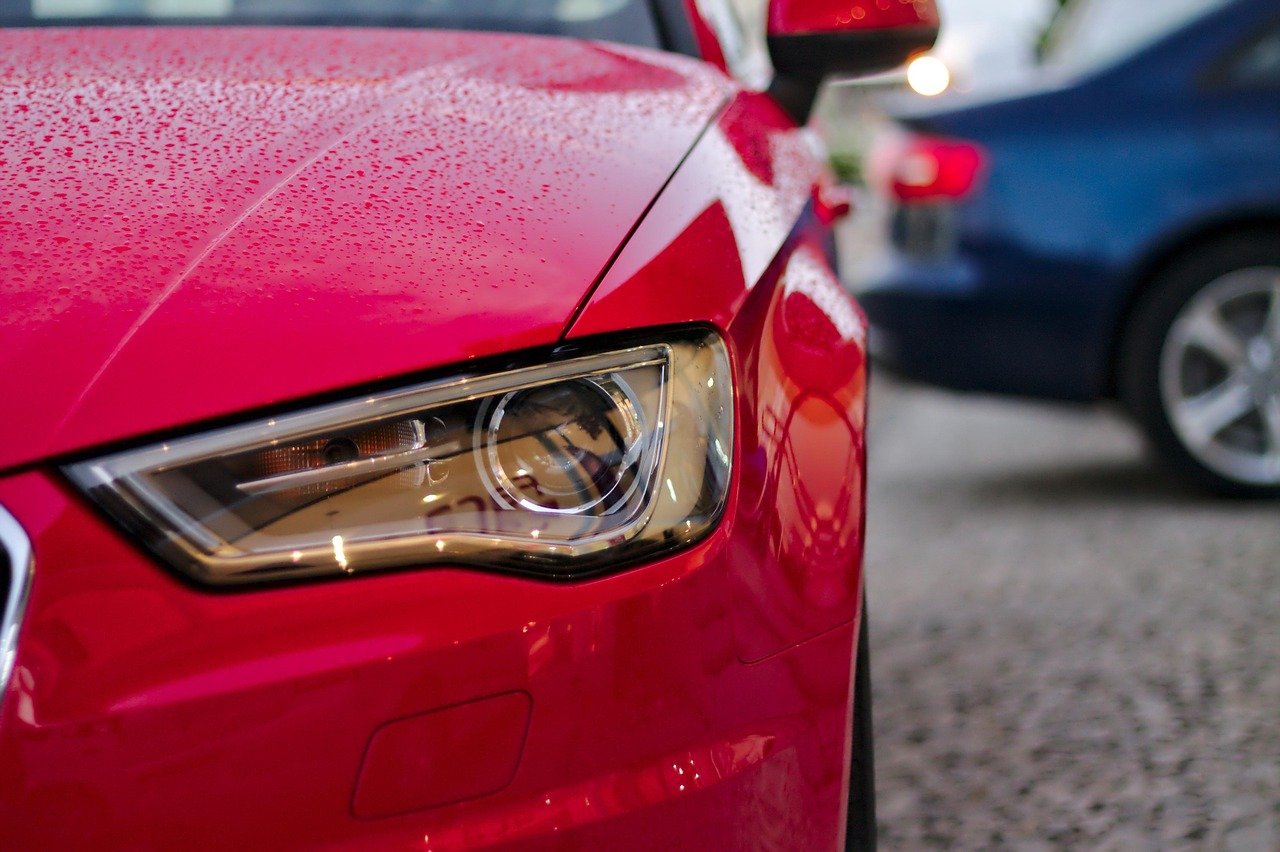
Maintenance is another factor tied to color value. Some colors show dirt, scratches or fading more easily. Black cars are known for their sleek appearance, but they reveal dust and minor imperfections quickly. Red paint can fade if not properly protected from the sun. White paint may hide scratches well but can stain more easily. Buyers who prioritize low maintenance often gravitate toward colors that age gracefully. Understanding how your car’s color behaves over time can help you maintain its appearance and preserve resale value.
How Color Trends Change Over Time
Color popularity changes slowly but consistently. What is trendy one decade may be less appealing the next. Automakers release new shades each year based on consumer behavior, cultural influences and industry predictions. A color that feels bold and exciting today may feel outdated years later, affecting resale value. Following long term trends from reliable sources such as the National Automobile Dealers Association’s market reports can help you understand how these shifts influence future demand. Cars painted in timeless shades tend to weather these changes better than those tied to short lived trends.
The Impact of Color on Lease and Trade In Offers
When you lease a vehicle or trade it in, the dealership evaluates how easily the car can be resold. Cars in widely appealing colors often receive better offers because dealers know they will move quickly on the lot. In contrast, a vehicle in an unusual color may take longer to sell. Even if the car is in excellent condition, the dealer must consider the preferences of the average buyer. While unique colors can hold value well in private sales, they may be treated differently in dealership trade in negotiations because of market predictability.
When Color Matters Less Than Condition
Although color plays an important role in value, it is not the only factor. A well-maintained car with a strong service history can overcome color disadvantages. Regular care, professional cleaning and protective coatings can enhance a car’s appearance and help maintain its appeal regardless of the shade. Buyers often weigh condition heavily when deciding between similar vehicles, and a clean, well cared for car can stand out even if the color is not the most popular choice.
Matching Your Car’s Color to Your Long-Term Plans
Choosing the right color can support your long-term financial goals. If you plan to resell or trade in the car within a few years, selecting a neutral color can make the process smoother and potentially more profitable. If your car purchase is more about personal enjoyment and long-term ownership, a unique color may bring more satisfaction while still retaining value due to its rarity. Considering both personal preference and market trends helps you make a choice that aligns with both your lifestyle and your financial strategy.
Color Is More Important Than You Might Think
In the world of automotive value, color is more than a stylistic preference. It plays a meaningful role in how your car holds its worth, how quickly it sells and how it fits into market demand. Whether you prefer a classic shade or a bold statement, understanding how color influences value gives you more control over your investment. With the right balance of personal taste and market awareness, you can choose a color that supports both your driving experience and your long-term financial goals.
READ ALSO: Best Car Hire Services in Zurich, Switzerland – An Expert Review